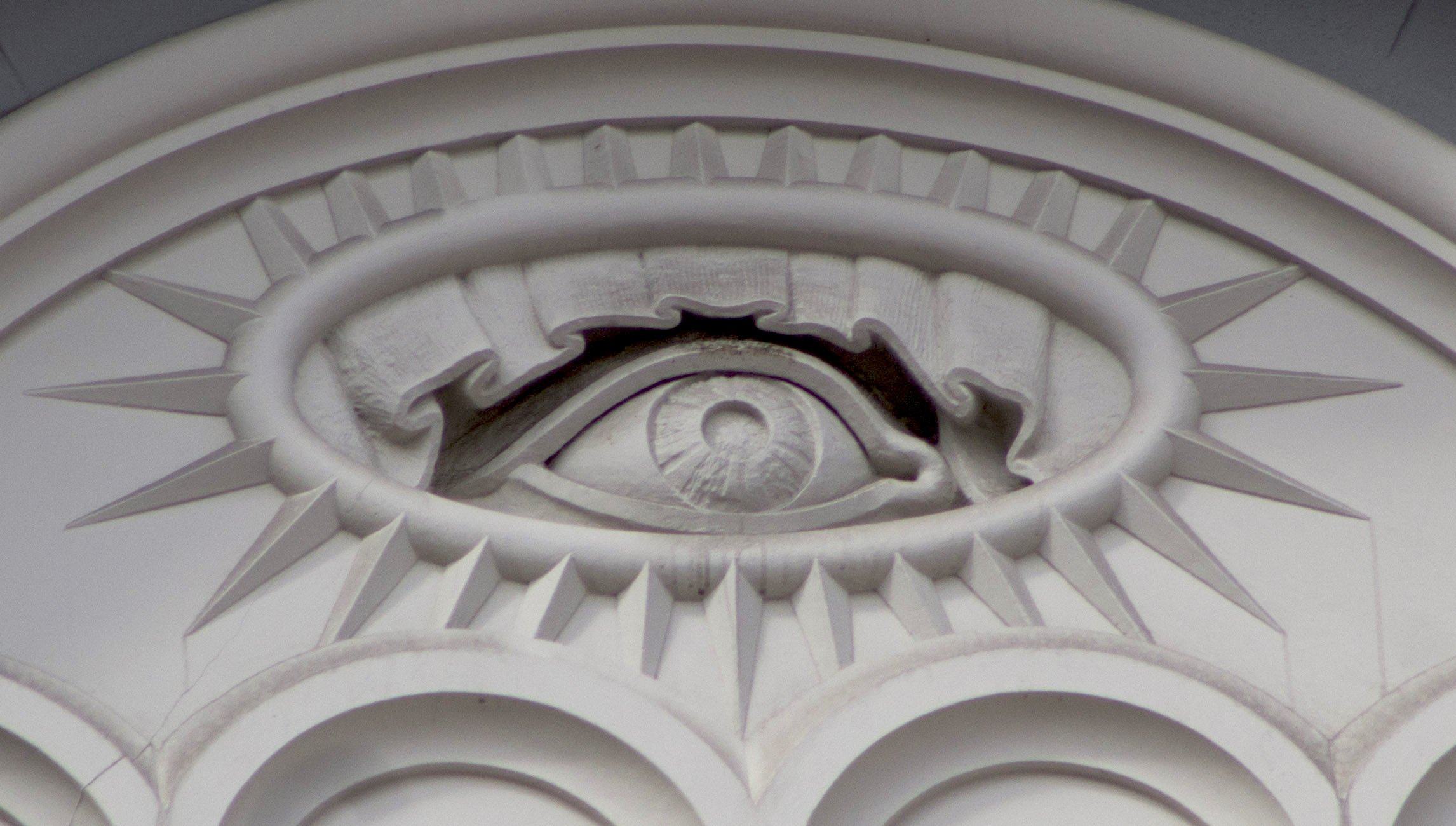
The ideas we have about God are not God. Any idea, thought, or concept never was and never will be God. They may be helpful symbols that point to God, metaphors, analogies, allegories, images, but they are not God as God is. They will inevitably conflict with one another and be fallible, as every symbol eventually fails at actually being the thing it is supposed to represent. The symbol is never the thing-in-itself.
Category: psychology
Self-Sacrifice Does Not Mean Self-Hatred
If this "self" is the source of our Fall, of our problems, of our separation from God, of our illusions of reality, of errors, sins, and delusions, then it can become very easy to begin to dislike this "self." It can turn into forms of self-hatred.
Margaret Barker on the Radical Original Understanding of Resurrection
The Methodist biblical scholar, Margaret Barker, wrote a book published in 1996 titled The Risen Lord in which she proposed that "the original understanding of resurrection may in fact be Jesus’ mystical experience at his baptism, when he was raised up and transformed into the divine Son."
Sam Harris talks with Michael Pollan about Psychedelics and Mystical-Spiritual Experience
This morning I listened to a podcast conversation between neuroscientist and philosopher Sam Harris and bestselling journalist and author Michael Pollan about Pollan's new book How to Change Your Mind: What the New Science of Psychedelics Teaches Us About Consciousness, Dying, Addiction, Depression, and Transcendence.
The Neuroscience of Ego Dissolution and Transcendence
"To me, mystical or spiritual experience is what happens when your ego is put aside. Spiritual experience is about a sense of merging with something larger than you. And it's your ego that stands in the way. To the extent that you can subdue it, or just put it off to the side for a few hours, amazing things happen, and you realize that you are part of a larger energy..."
Ego Transcendence in Secular Science
In modern times the nature of the human ego has also been recognized by many in scientific disciplines, in psychology and other fields. I described some of this in an earlier post, in the psychological study of cognitive development in children. But what about losing the sense of "self," the sense of an "I"?
Sacrificing Ego-Self in Judaism and Christianity
In this post I'll explore the sacrifice of ego or "self" in the traditions of Judaism and Christianity, and how the transcendence of this "self" led one back to God.
The Evolution of Ego in the Allegory of Adam & Eve
I think the nature of the development of the ego-self in our consciousness, both in the evolution of humanity at large, and within each of us in our childhood, is what is being symbolized in the mythology of the Judeo-Christian-Islamic story of the Garden of Eden and Adam & Eve.
Sacrificing Ego Consciousness In the World’s Religions & Science
One element that I think is shared among all the religions, which has become quite conspicuous to me in recent times, is their history and beliefs about the nature of the human ego, and that this ego is a major obstacle to the flourishing of life and love in ourself and the world, and that transcending the ego is a major goal, if not the goal, of human life. This ego transcendence may be the central feature in all religions, the underlying core message and purpose of all spirituality. And science is beginning to discover this too.
Only God Can See God
Whenever someone has been graced to perceive the Ultimate, the Highest, the One, it is because their consciousness has been transfigured into that of God's consciousness, such that they look out through God's eyes onto God.