In spirituality and mysticism we often encounter discussion about the ego, the psychological self, the "self" that we think we are. This is often referred to as a kind of illusion, something to rid ourselves of to see reality as it really is. It is called an obstruction, a veil, something which hides the Divine from us, which obscures our perception, and that it must be torn from top to bottom and done away. Sometimes mystics loudly loathe the ego, punish the ego, call for its death, its annihilation, its crucifixion, its extinguishment, extinction, falling away, passing away. This all sounds quite harsh to the "self" that we think we are, and so some spiritual teachers deny that we need to eradicate the ego, but rather transform it into something good. Which is it? Do we need to allow the ego to fall away, or transform it into a "healthy" ego? I'll share some of my thoughts about that.
Category: psychology
The Mysticism of Falling into a Black Hole
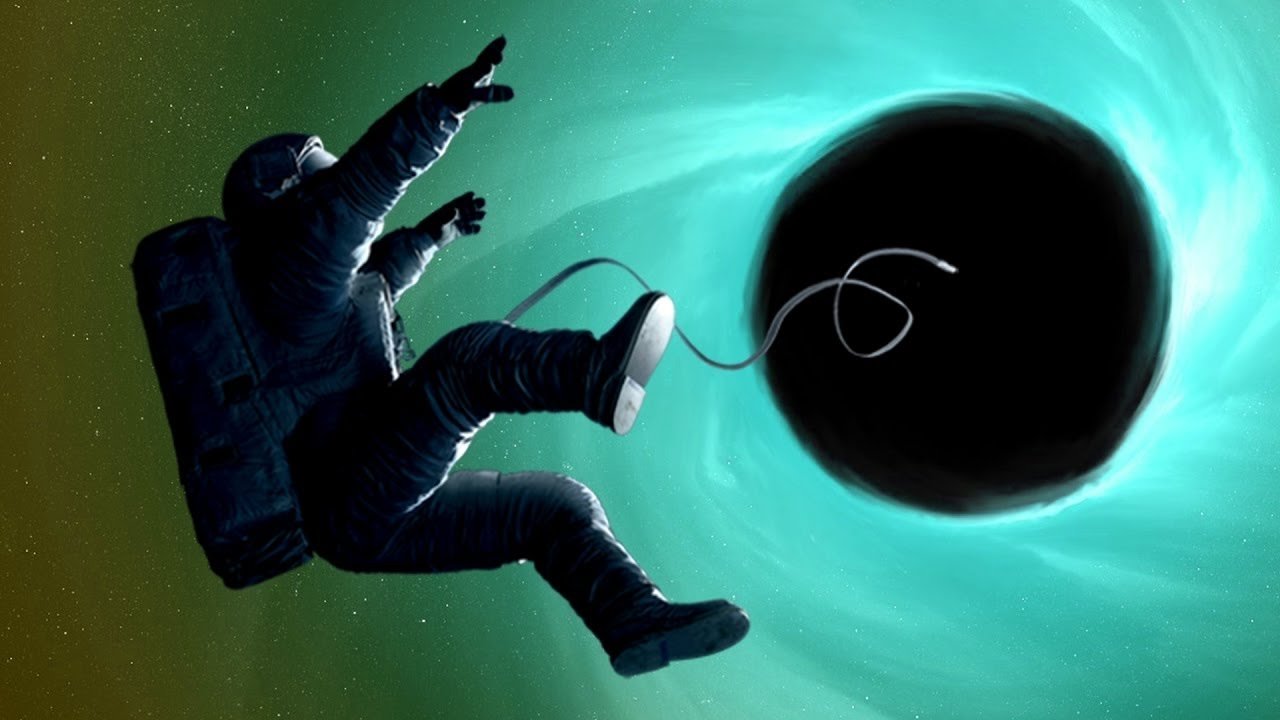
The unitive mystical experience can be compared to falling into a black hole. When compared this way, it doesn't sound like a nice experience. Likewise, for many mystics throughout history, their divine experiences weren't always a merry venture, sometimes encountering hellish realms along the way (see, for example, St. Teresa of Ávila, or St. John of the Cross's Dark Night of the Soul).
Is Sam Harris Unaware of “No-Self” in Jesus’ Sacrifice?
In the second night of the debate between Sam Harris and Jordan Peterson in Vancouver on June 24, 2018, Harris said this in regards to the concept of human sacrifice.
Resurrecting the Resurrection in Jordan Peterson and Sam Harris
I listened to a conversation between Jordan Peterson and Sam Harris in Vancouver on June 23, 2018, where Harris asked this seemingly simple question (which had been previously asked of Peterson): "Was Jesus literally resurrected?" Peterson said it would take him 40 hours to answer that question. Harris offered his own succinct answer: "Almost certainly not."
Is the Universe Made of Consciousness?
It sounds like a pretty woowoo thing to say, really smacking of the "New Age." But this seems to be the skeleton in the closet that even physicists don't want to admit. But some have.
What Good is the Ego-Self?
Over the past several months I've explored the nature of the human ego as it relates to spirituality in many of the major religious and spiritual traditions, as well as in science. As I noted in a series of posts, it seems that a recurrent theme throughout many of them is the idea of sacrificing ego, overcoming ego, transcending ego, even experiencing a kind of "death" of the ego, so as to realize the true nature of the self, of reality, and of God. We might ask then, what good is the ego? Is it all bad? Do we want to destroy our ego? Is that true spirituality?
Jordan Peterson & Sam Harris Debate the Nature of God
A friend recently shared a video clip with me from an event on June 23, 2018, which was a public conversation and debate between psychologist and professor Jordan Peterson and philosopher and neuroscientist Sam Harris, moderated by biologist Bret Weinstein. It's an interesting discussion between a theist (Peterson) and an atheist (Harris) on the nature of God, which I think begins to get at the heart of the issue from both sides.
What is the Spirit or Soul?
Many religious people believe that the spirit or soul is the ego-self, our personality, the person we think we are in our heads, our psychological "self," with all our memories and experiences and relationships, etc. But none of this existed at our birth.
The Meaning of the Word "Mystical"
The word mystical is derived from the Greek mystikos meaning "secret," and muo meaning "concealed." Why all the mystery? Why is it concealed? Why do people keep it a secret? This seems like shady business. But is it?
Does Seeing God Cause Death to the Person?
Many ancient texts, including the Bible, note that seeing God brings death to the person. But then we also read of some who claim they saw God and lived to tell about it. What's going on? Which is it?