Reconstructing the narrative surrounding Joseph Smith

Who was Joseph Smith Jr. (1805-1844)? He's been quite an enigma both within and outside of Mormonism since his death. Many Mormons see him as a deeply gifted prophet of God, in the tradition of the Old Testament prophets like Isaiah, Ezekiel, and even Moses. He recorded and published new scripture, the Book of Mormon, just like ancient prophets. Many Mormons revere him as someone who restored Christianity in its purity, even the original Christian church and true gospel of Jesus. They believe he received true priesthood authority from God to perform real saving rituals, ordinances, and act as a "high priest" to bring others into the presence of God.
Reconstructing Joseph Smith’s “First Vision”

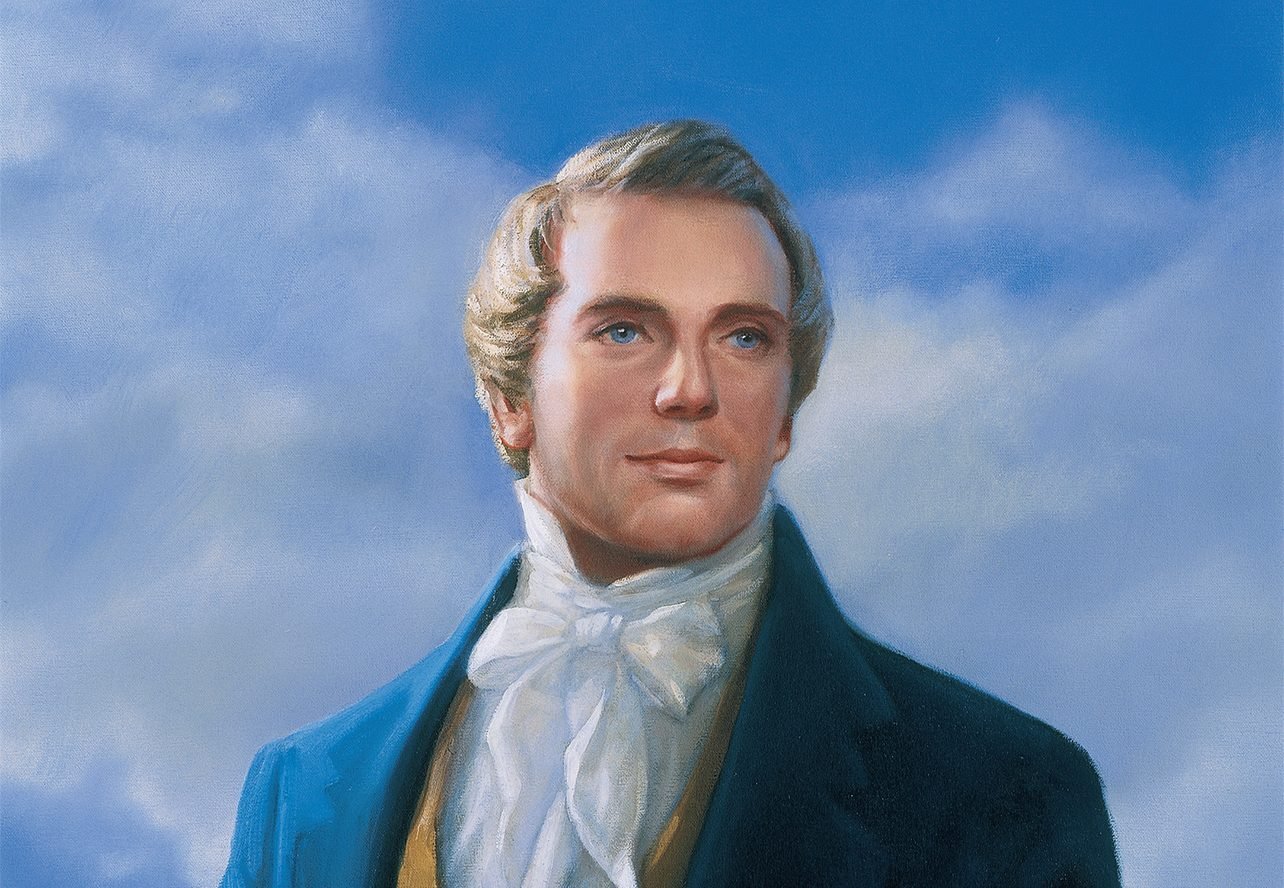
Mormonism traces back its history in modern times to its founding prophet, Joseph Smith Jr., and his "First Vision." Joseph was a young farmer boy who lived in western New York, born in the early nineteenth century. This was the time of what's known as the Second Great Awakening, and where Joseph lived is known as the "burned-over district." It was a time of much Protestant religious excitement, revivals, reforms, and the formation of new religious movements and denominations (which eventually included Mormonism). A Restoration Movement grew in popularity in the area, which involved ideas of "restoring" a pure, primitive, uncorrupted, and original form of Christian faith.

“Canticle of the Sun,” by St. Francis of Assisi, and Joseph Smith’s “Olive Leaf”

One of the last things we did at the seminar with Bernard McGinn this past weekend was read through and discuss Saint Francis of Assisi's poem and religious song Canticle of the Sun. McGinn considers this to be a very mystical text from Francis, as Francis seems to see God powerfully in and throughout the whole of creation, including in the sun, moon, stars, Earth, etc. McGinn noted that it is a kind of nature mysticism. Francis wrote most of it in the year 1224, and the last few lines in 1226 just before his death.

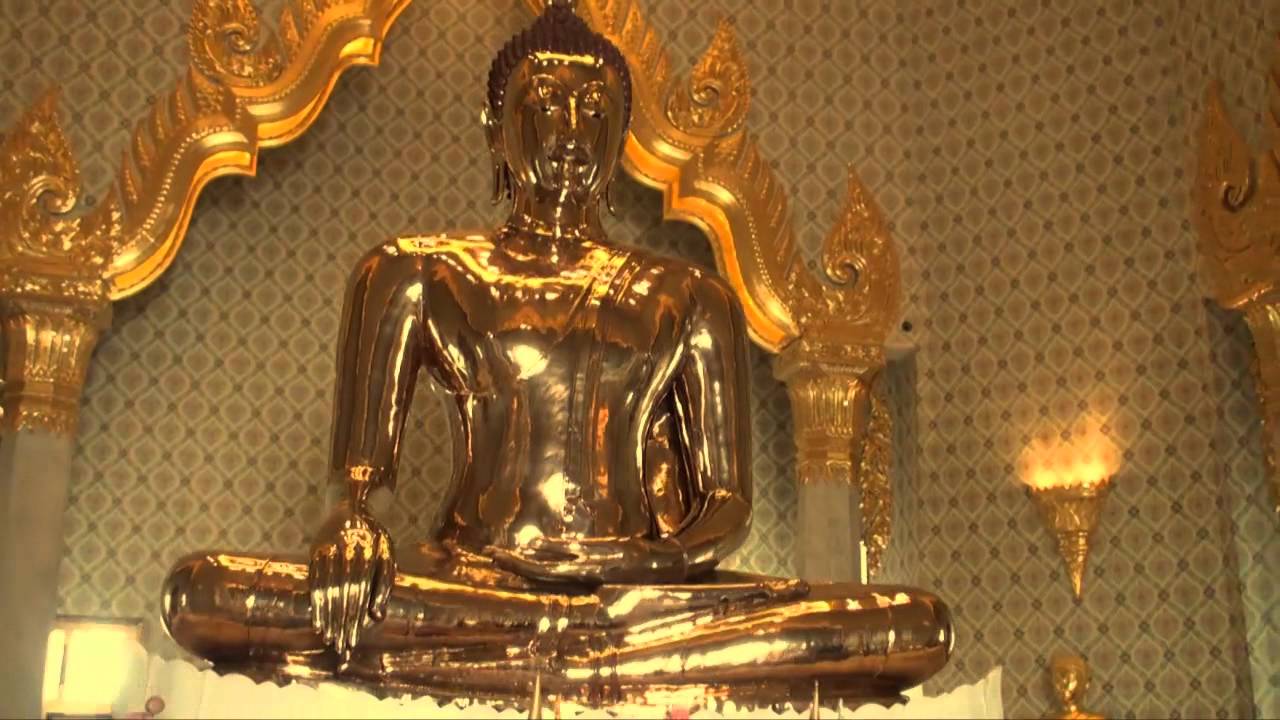
The "Hidden Treasure" of God in Mormonism and Buddhism

In my paper "The Book of Mormon as Literary Alchemy: Joseph’s Magnum Opus and the Philosopher’s Stone," I suggested that the "gold plates" that Joseph Smith had in his possession were not actually made of gold, and did not actually contain ancient historical records like Mormons traditionally think. But that doesn't mean that there were not "gold plates" which were a kind of "hidden treasure" that Joseph really did discover within himself, which was the source of real divine wisdom, "ancient wisdom," and which he taught could be found within all people as well.

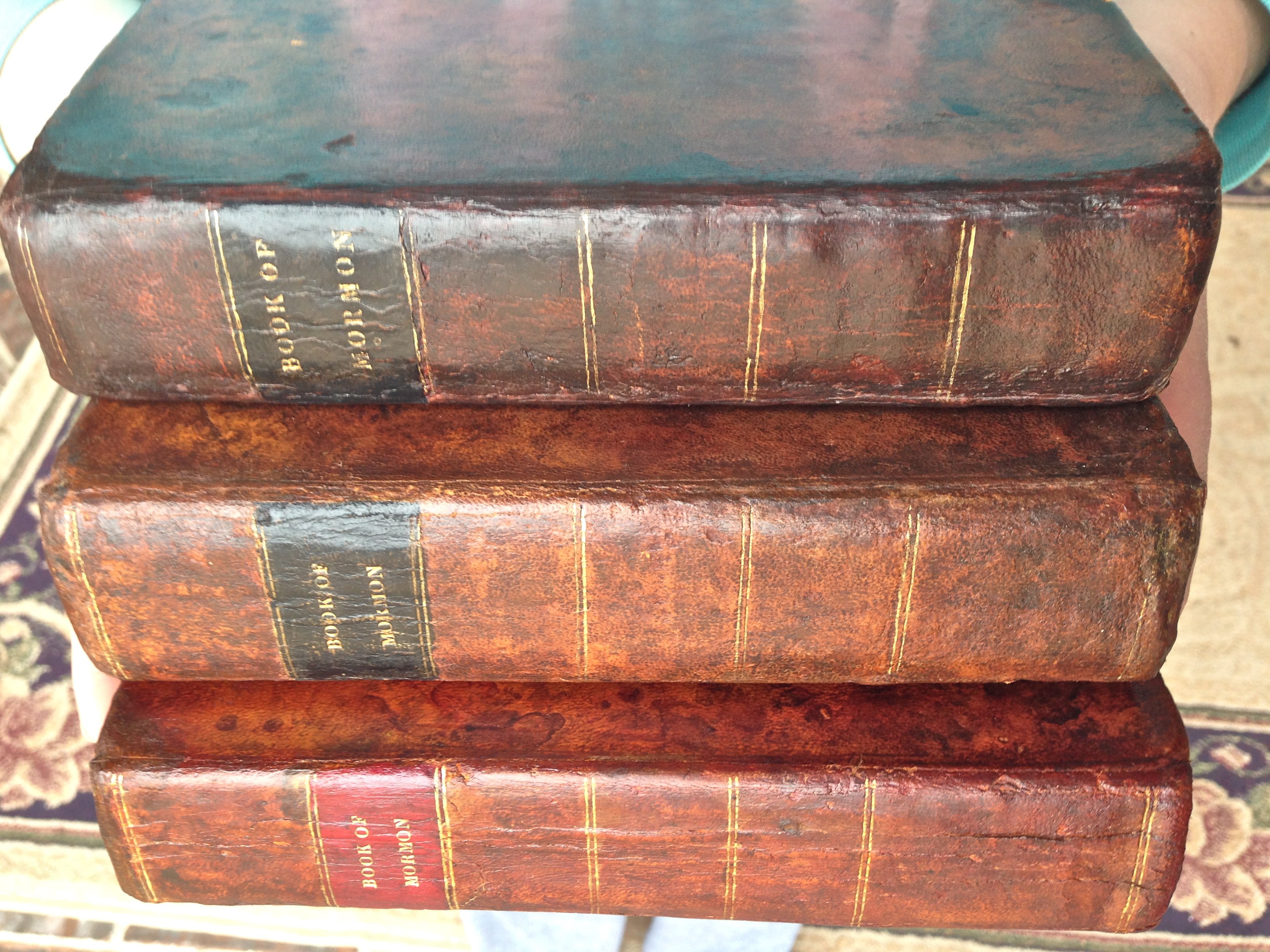
The Book of Mormon as Literary Alchemy: Joseph’s Magnum Opus and the Philosopher’s Stone

Joseph Smith's activity in bringing forth the Book of Mormon can be viewed as a project of alchemy, which was influenced by his affiliation with treasure digging, the folk magic worldview, the Hermetic tradition,1 as well as his many mystical spiritual experiences. I suggest he initially sought to bring the “gold plates” of his visions into material reality, and in the process discovered the true “gold” was within himself, the elusive Philosopher’s Stone.

Misreading Scripture as Literal History: Elephants in the Book of Mormon

Religious texts are most often not literal history. They are allegory, narrative, parable, metaphor, simile, symbol, poetry, story, visionary, and figurative. They are not relating precise word-for-word conversations of the past, nor are they detailing literal events that took place. Yes, the Bible talks about many people and places that may have really existed, and may even abstractly refer to events that really took place, but it is not a history book.

Joseph Smith’s “Sinking” Into the Darkest Abyss to Commune with God

"The highest form of meditation is not an activity that is undertaken by the mind. It is a relaxing, falling back or sinking of the mind into its source or essence of pure awareness, from which it has arisen."

The Non-Historical Book of Mormon is More Than A Mere Fairy Tale

Two readers posted comments recently on my article about Joseph Smith as tertön and the Book of Mormon as terma. They were both similar in questioning the idea that the Book of Mormon may not be a historical text.

The Book of Mormon as Terma, and Joseph Smith as Tertön

I suggest that the translation of the Book of Mormon was Joseph Smith's alchemical Magnum Opus, or "Great Work," a transmutation of his own base desires for materialistic gold and treasure into the highest spiritual realizations of human atonement in God consciousness, and a realization or awakening of eternal life in his Self, even theosis, which he continued to preach for the rest of his life.