Blog

Reconstructing Mormonism’s “Holy Ghost”

The "Holy Ghost" is perhaps one of the most mysterious figures in Mormon theology (and perhaps more generally in Christianity). Many Mormons likely know this being of the Godhead as a "personage of spirit," which "has not a body of flesh and bones," "were it not so, the Holy Ghost could not dwell within us" (D&C 130:22). This already begins to sound quite supernatural, a ghostly person that may come and dwell within me? How are we to make sense of this?

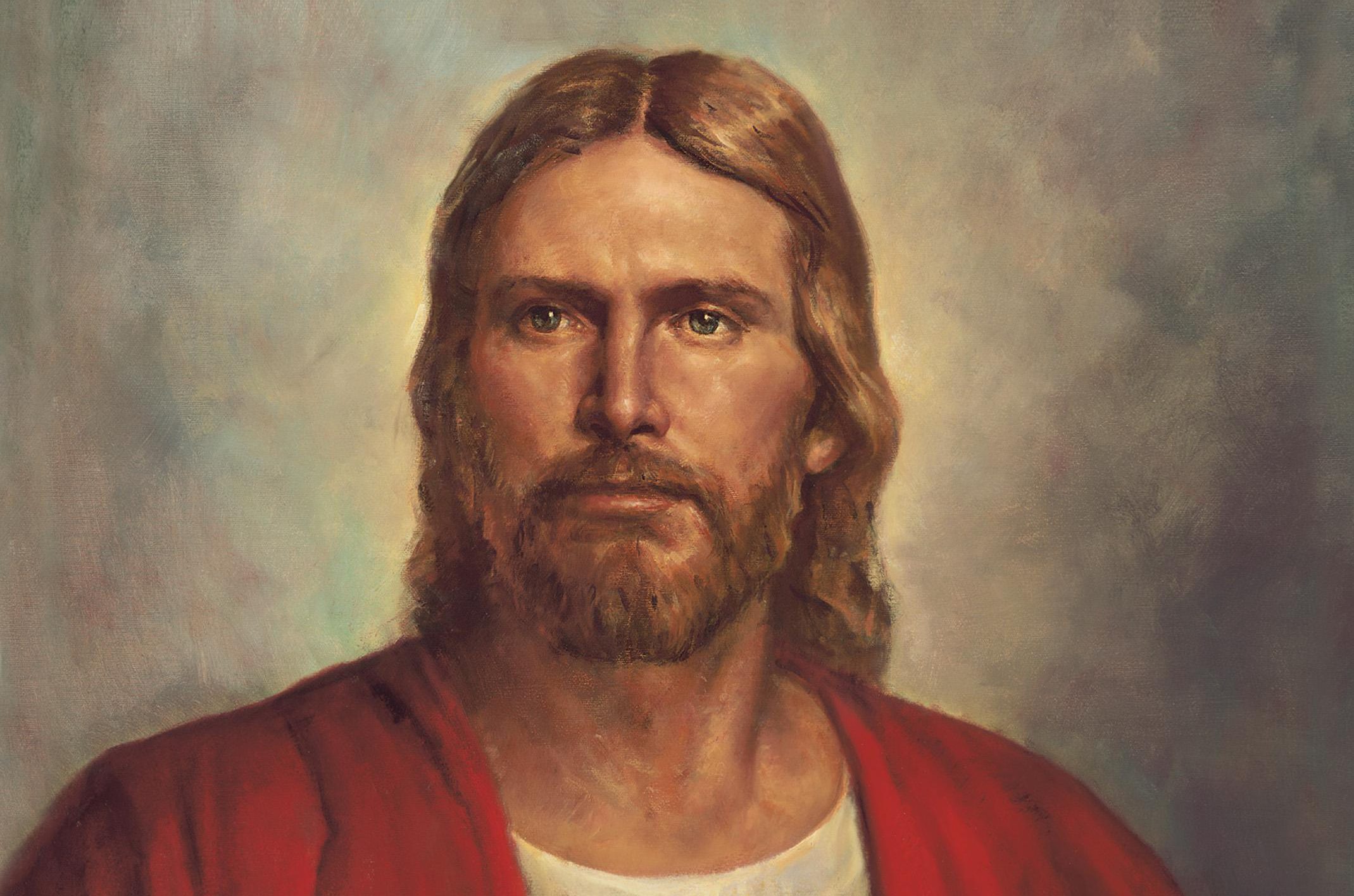
Reconstructing Mormonism’s and Christianity’s Jesus/Christ

Jesus is, of course, the center of Christianity, including Mormonism. In Mormonism, he is prominently identified in the name of the largest denomination of which I was a member, The Church of Jesus Christ of Latter-day Saints. Everything revolves around Jesus.

“Canticle of the Sun,” by St. Francis of Assisi, and Joseph Smith’s “Olive Leaf”

One of the last things we did at the seminar with Bernard McGinn this past weekend was read through and discuss Saint Francis of Assisi's poem and religious song Canticle of the Sun. McGinn considers this to be a very mystical text from Francis, as Francis seems to see God powerfully in and throughout the whole of creation, including in the sun, moon, stars, Earth, etc. McGinn noted that it is a kind of nature mysticism. Francis wrote most of it in the year 1224, and the last few lines in 1226 just before his death.

Notes on Christian Mysticism from a Seminar with Bernard McGinn

This weekend I had the fortunate opportunity to go to Fairfax, Virginia, to attend a seminar hosted by the Shalem Institute, an organization that fosters contemplative living and leadership. Their invited guest to present for their annual Gerald May Seminar was Bernard McGinn, who is Professor Emeritus of Historical Theology and of the History of Christianity in the Divinity School at the University of Chicago. McGinn is an American Roman Catholic Theologian and is considered one of the world's foremost expert scholars on the history of Christian mysticism. He has written seven volumes outlining the history of Christian mysticism, and may write two more, bringing the history up to the present time. This series is known as The Presence of God.

Is the Truth Really Found “Within”?

Some Mormons, other Christians, and perhaps people generally, are uncomfortable with the idea that the truth is found within us. They might consider this to be incompatible with the gospel, navel-gazing, narcissism, and selfishness. But I think the whole purpose and goal of the Christian gospel, and of spirituality more generally, is to help us discover that Truth is at the core of our being, which is our divine nature in God, in Reality. This is beyond all that is "selfish" in us, reaching the ground of who and what we really are.

My Thoughts on the New Age, and How It Differs from Mysticism

I am not fond of much of the New Age movement. Sometimes my thoughts about mysticism may seem like the New Age, but I think that is because the New Age has adopted a lot of mystical language and concepts, not that classical mysticism inherently belongs to the New Age. They are two different fields, which have some overlap. The New Age developed just in the 1970s. Mysticism has been around for millennia, indeed, for all of human history, in every part of the world.

What does it mean to be “a god”?

There are stories, legends, mythologies, folklore, traditions, histories, scriptures, and texts from all around the world which tell us of humans who have reached the stature of the gods. They have, in essence, become "a god." Some recognizable examples are people such as Jesus, Siddhartha Gautama (Buddha), and Muhammad. The process that these went through has been called theosis, deification, divinization, realization, awakening, and enlightenment. What does it mean to become or be "a god"?