Blog

Ego Dissolution or No Ego Dissolution?

There seems to be an ongoing discussion on the nature of the ego in mysticism and mystical transcendence. On the one hand, some say that the ego-self does not die, but is transformed. On the other hand, some say that ego-self does die, and something else emerges in its place. Which is more accurate? Or could they both have truth?

What Good is the Ego-Self?

Over the past several months I've explored the nature of the human ego as it relates to spirituality in many of the major religious and spiritual traditions, as well as in science. As I noted in a series of posts, it seems that a recurrent theme throughout many of them is the idea of sacrificing ego, overcoming ego, transcending ego, even experiencing a kind of "death" of the ego, so as to realize the true nature of the self, of reality, and of God. We might ask then, what good is the ego? Is it all bad? Do we want to destroy our ego? Is that true spirituality?

Jordan Peterson & Sam Harris Debate the Nature of God

A friend recently shared a video clip with me from an event on June 23, 2018, which was a public conversation and debate between psychologist and professor Jordan Peterson and philosopher and neuroscientist Sam Harris, moderated by biologist Bret Weinstein. It's an interesting discussion between a theist (Peterson) and an atheist (Harris) on the nature of God, which I think begins to get at the heart of the issue from both sides.

What is the Second Coming?

One of the most profound realizations I've had in recent years is that the Second Coming is something that we can effect through our "repentance" (metanoia = a change of mind, or conscious perception of the world).

Mary Magdalene (2018) and her Witness of Christ and the Kingdom

A few days ago I had the opportunity to see the film Mary Magdalene (2018), which is a biblical drama of the ministry of Jesus, taking interest in the person of Mary Magdalene, as she may have seen it from her point of view. It depicts how she resists the status quo of her family and traditional society, how she is looking for deeper meaning in her life, and how she comes to be a follower of Jesus.

The "Hidden Treasure" of God in Mormonism and Buddhism

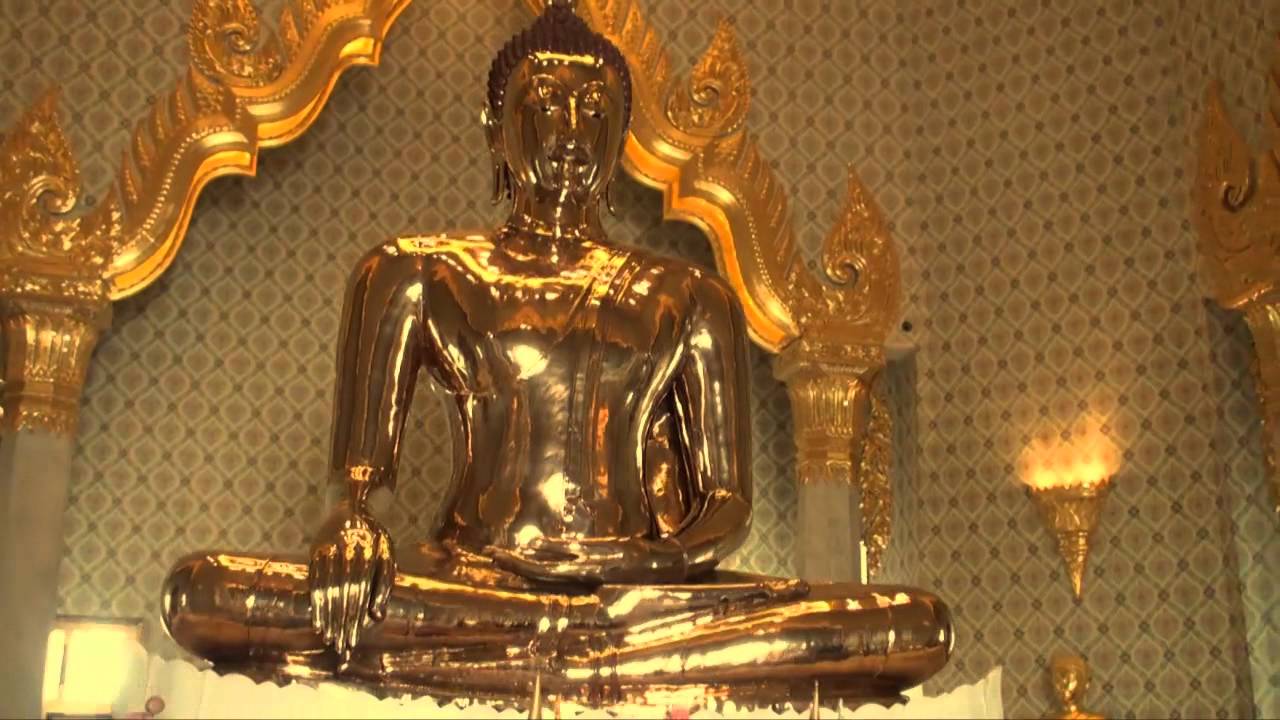
In my paper "The Book of Mormon as Literary Alchemy: Joseph’s Magnum Opus and the Philosopher’s Stone," I suggested that the "gold plates" that Joseph Smith had in his possession were not actually made of gold, and did not actually contain ancient historical records like Mormons traditionally think. But that doesn't mean that there were not "gold plates" which were a kind of "hidden treasure" that Joseph really did discover within himself, which was the source of real divine wisdom, "ancient wisdom," and which he taught could be found within all people as well.