Humans want to know what's real, what's reality, what's true. We have explored the outside world and our inner worlds for millennia, and we seem to still not be sure what is absolutely real. I think the issue might be that what is really real is not something that can be seen or communicated through language at our dualistic level of perception. We have to transcend duality experientially and consciously in order to know the "really real," sometimes called the Nondual, the One, the Real, the Absolute, or God. Perhaps only at that level of consciousness may we come to truly know what is ultimately Real and True.
Blog
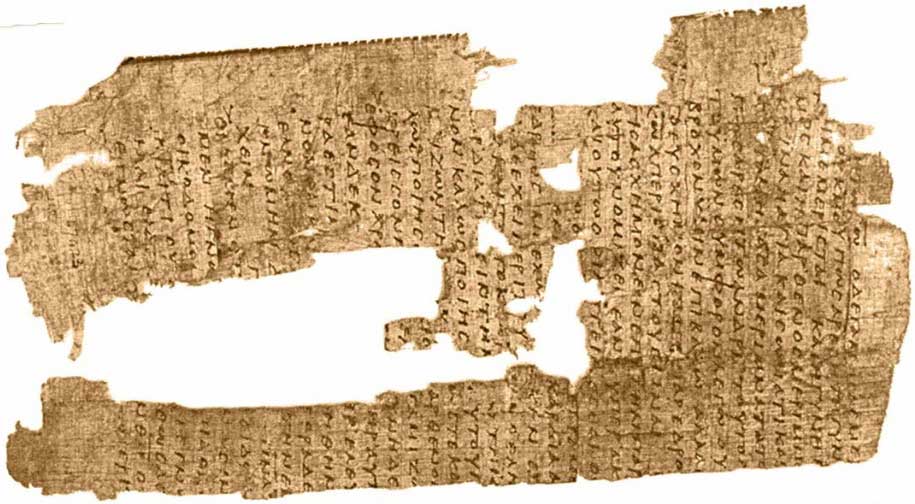
1 Corinthians 15 BHT, Paul’s Earliest Witness of the Resurrection into Christ Consciousness, the “Gospel”
An addition to the BHT, containing the earliest account of the post-resurrection appearances of Christ in the New Testament, where Paul describes his witness of the resurrection and what it means to be resurrected into Christ consciousness. This seems to be an excellent summary of the Christian Gospel, or "good news," but it is something which I think we've generally misunderstood in Christianity for centuries. I feel that this is one of the most important translations of the BHT that I have been given the Grace to work out yet—yet not I. I was in tears by the end.
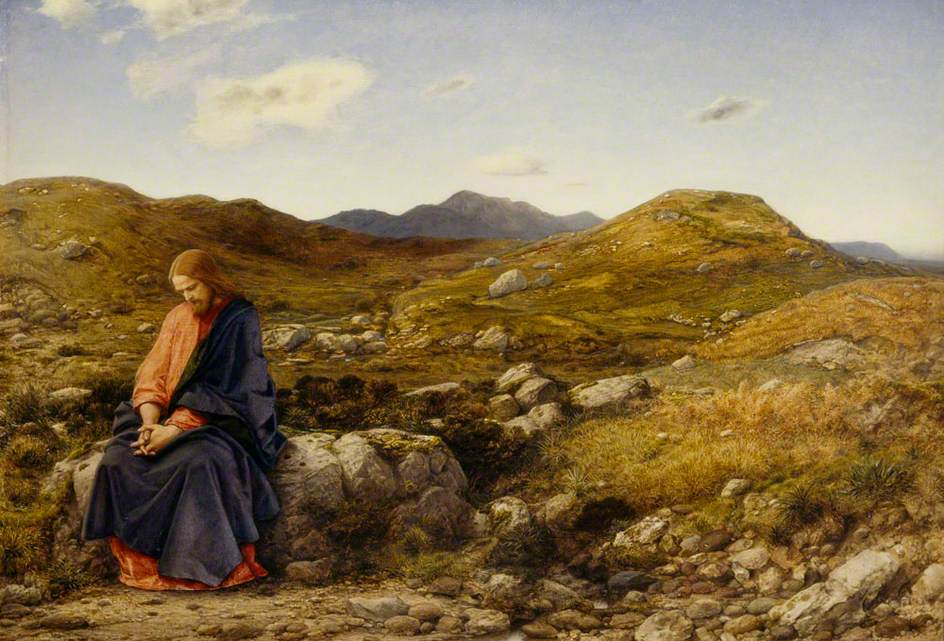
Is God or Christ a Male?
It is true that traditionally God and Christ have been predominantly associated with the male gender and masculine principle (a "He"), at least in the West. What we need to decide today is if that traditional interpretation, these symbols of the Divine, are still valid, and accurate, and if they point to truth in the present, or if we need a better interpretation of these symbols as a society, a culture, in our interspirituality, in the world today.
Romans 8 BHT, Liberation is Life in Christ Consciousness
An addition to the BHT, where Paul describes how we are liberated from the suffering of the ego in the life of Christ consciousness, or the Spirit, and all are beneficiaries of this consciousness, from which we cannot ever be separated.
Paul and the Early Jewish Christians’ Mystical Resurrection “in” Christ
I've been reading about the post-resurrection appearances of Christ, and the description of the earliest written records and development of the early Christian resurrection narrative is quite intriguing. It seems to show that there was a significant change of the meaning of resurrection beginning in the very first few decades of Christianity, between the time of Paul and when the gospels were written.
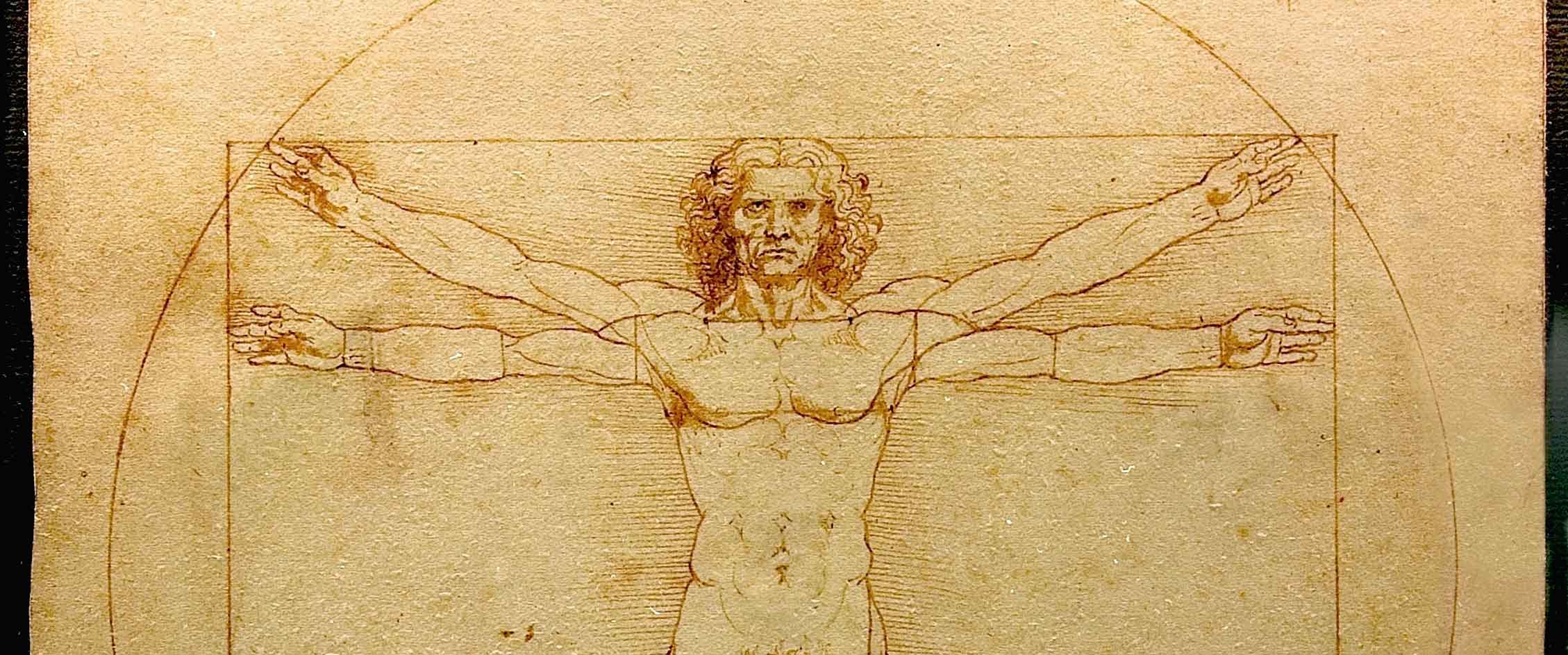
You are a Colony of 70 Trillion Organisms
We often think of ourselves as one being, one human, a single individual that was born, who lives their life, and dies. But is that the case? Or is there more to it?
Beliefs vs. Reality
There was a fascinating show that my wife and I watched last night on Mind Field with Vsauce (Michael Stevens). It was season 3, episode 7, titled "Behavior and Belief."
Notes on “Contemplation” from a Lecture with Fr. Laurence Freeman
Fr. Laurence Freeman, OSB Last night I had the wonderful opportunity to attend a lecture with Fr. Laurence Freeman, OSB, at the Carmelite Monastery of Baltimore in Towson, Maryland. It was sponsored by the Carmelite Sisters of Baltimore, and the Benedictine Sisters of Emmanuel Monastery, as well as The World Community for Christian Meditation, of [...]
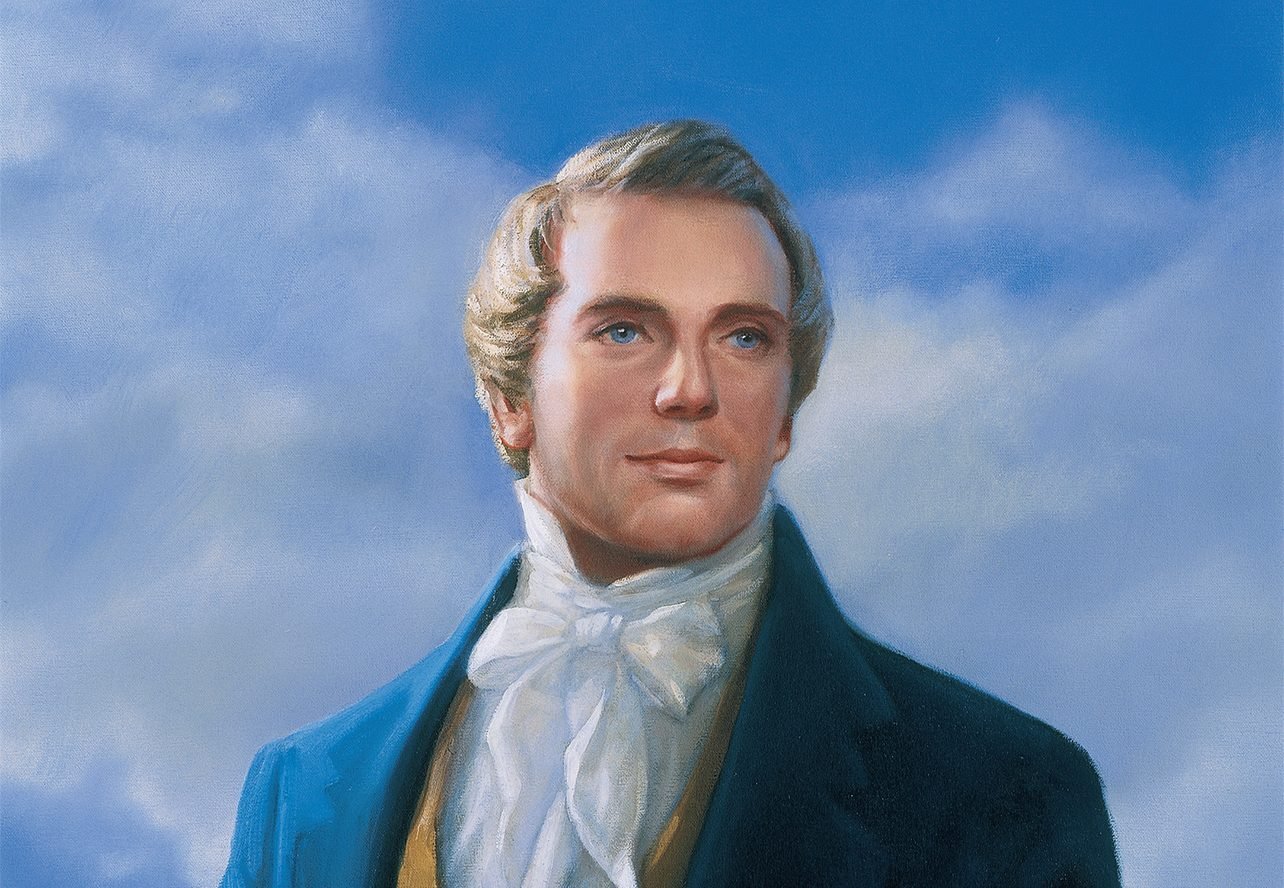
Reconstructing the narrative surrounding Joseph Smith
Who was Joseph Smith Jr. (1805-1844)? He's been quite an enigma both within and outside of Mormonism since his death. Many Mormons see him as a deeply gifted prophet of God, in the tradition of the Old Testament prophets like Isaiah, Ezekiel, and even Moses. He recorded and published new scripture, the Book of Mormon, just like ancient prophets. Many Mormons revere him as someone who restored Christianity in its purity, even the original Christian church and true gospel of Jesus. They believe he received true priesthood authority from God to perform real saving rituals, ordinances, and act as a "high priest" to bring others into the presence of God.
Reconstructing Joseph Smith’s “First Vision”
Mormonism traces back its history in modern times to its founding prophet, Joseph Smith Jr., and his "First Vision." Joseph was a young farmer boy who lived in western New York, born in the early nineteenth century. This was the time of what's known as the Second Great Awakening, and where Joseph lived is known as the "burned-over district." It was a time of much Protestant religious excitement, revivals, reforms, and the formation of new religious movements and denominations (which eventually included Mormonism). A Restoration Movement grew in popularity in the area, which involved ideas of "restoring" a pure, primitive, uncorrupted, and original form of Christian faith.