This is my response to a recent video produced by the LDS Church on the nature of God. My reinterpretation moves away from the supernatural dualistic interpretation, towards a more immanent nondualistic interpretation of the Divine.

This is my response to a recent video produced by the LDS Church on the nature of God. My reinterpretation moves away from the supernatural dualistic interpretation, towards a more immanent nondualistic interpretation of the Divine.
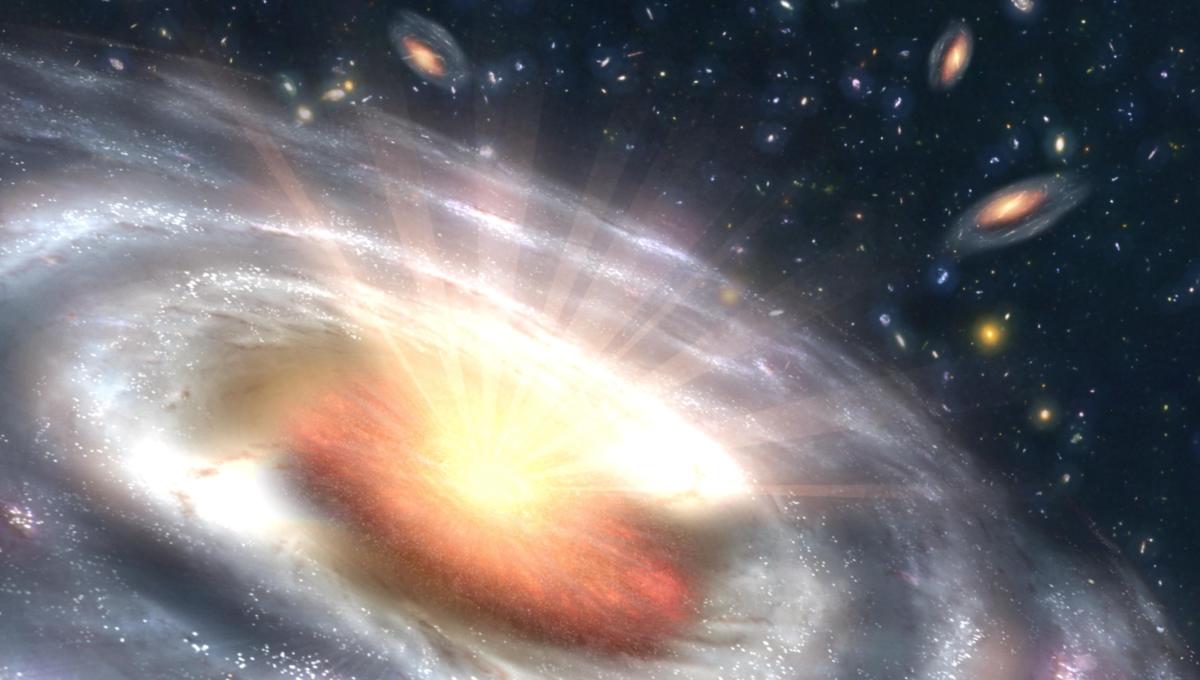
Might our universe be the ongoing unfolding of a black (white) hole Singularity, or One? And might we be that One reflecting on its Self?

Will we ever discover the absolute truth, moral or intellectual, or otherwise? Can we ever know the Absolute?

Have you ever considered that The Wizard of Oz is an excellent example of the Hero's Journey, of the monomyth, of the mystical experience of our journey back Home?

How could I write something that I did not write? Great question. I'm trying to figure that out too.

It is something that is present in nearly every religion, and particularly in their mystical traditions. So what is it? What are we surrendering?
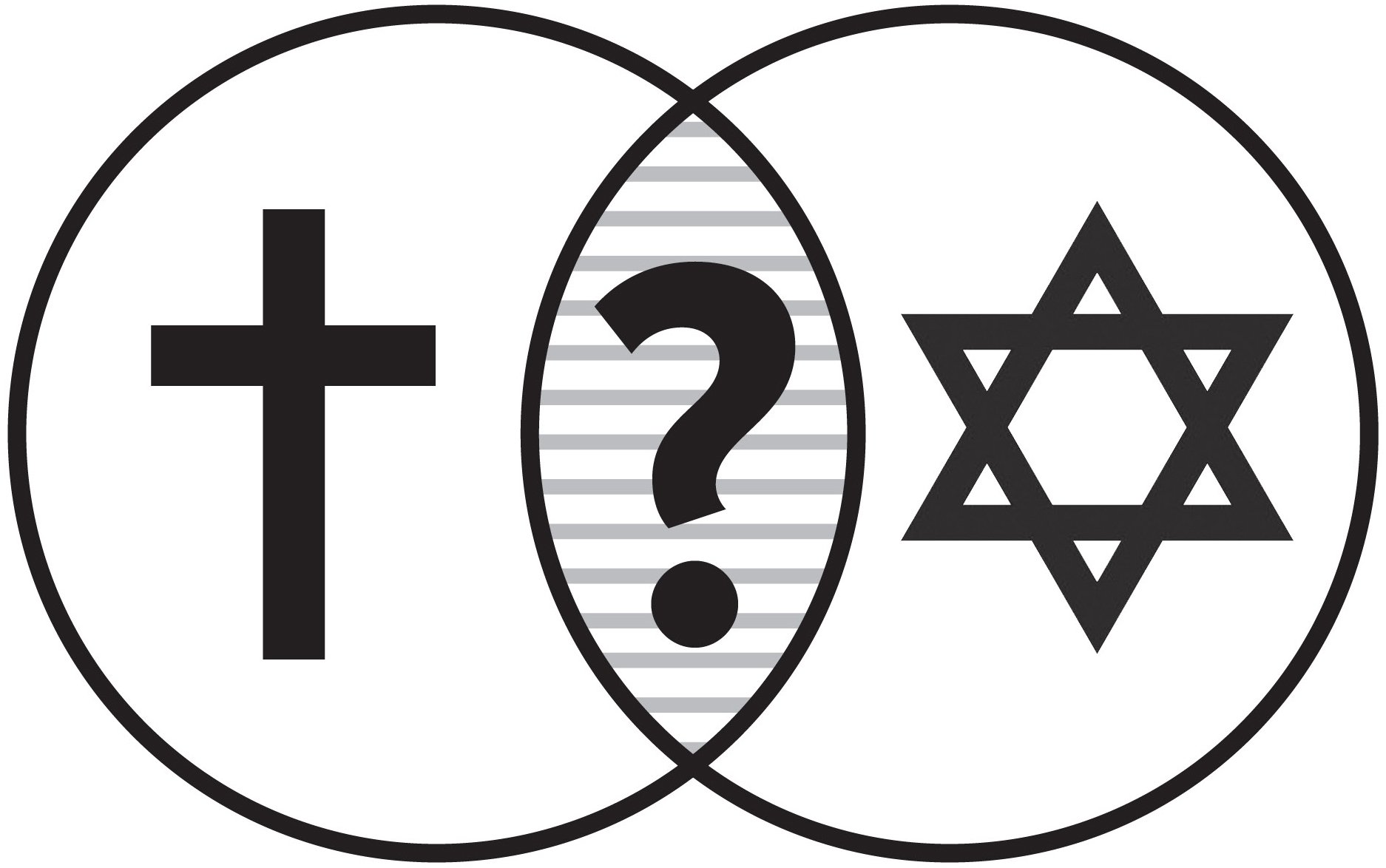
My ideas about the Divine have shifted in recent years as my spiritual practice has deepened. Here are some thoughts about how I currently interpret "God."
Russell Brand is an unconventional spiritual commentator, but I think he is right about the nature of consciousness and mysticism, and how these can change the world.

Eckhart Tolle says that if we feel like dying, we might allow our self to die, by surrendering that "ego" of our mind to reality as it is. Such surrender is found in all the world's religions and mystical traditions, including Christianity.

Sometimes the relationships between words, and their origins, can help us understand them better.